Author: galaxykaadmin

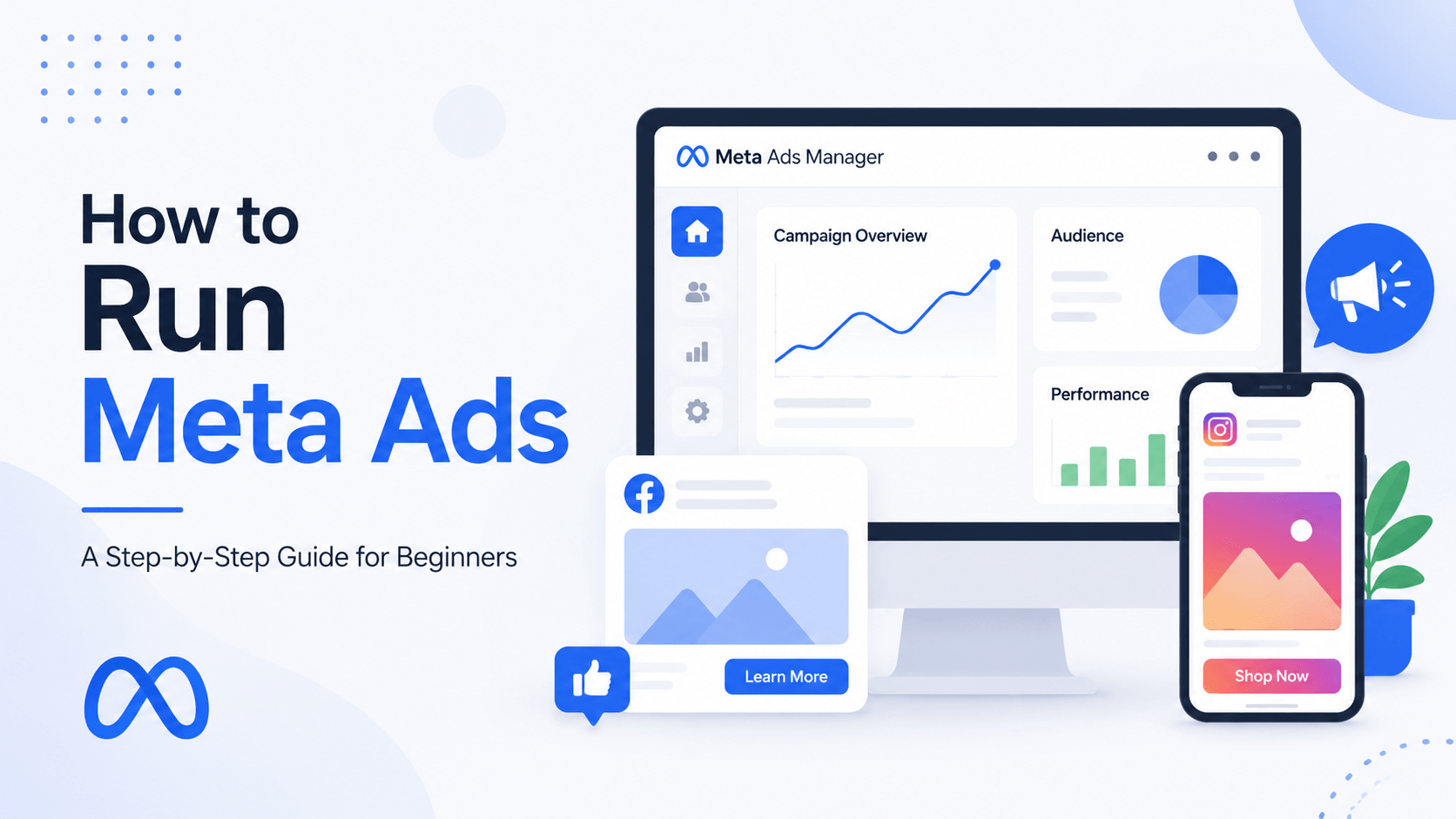
  • How to Run Meta Ads in 2026: The Ultimate Beginner’s Tutorial

    How to Run Meta Ads in 2026: The Ultimate Beginner’s Tutorial

    Meta advertising is one of the best marketing tools available for promoting your business. Meta Ads give you access to billions of potential customers across various social networking services (Facebook, Instagram, Messenger and the Meta Audience Network) regardless of whether you’re a freelancer, e-commerce company or an owner of a local business.

    For those who are new to advertising on Meta, the process of setting up an advertisement can be daunting. Meta’s ad manager has switched to AI-enhanced features (like Advantage+) to help beginners create and optimize their campaign efficiently.

    This guide will take you through the process of setting up your ad campaign on Meta from beginning to end and provide you with useful hints to get the best return on investment from your Meta advertising.

    What Are Meta Ads?

    Meta advertisements are paid advertisement made through Meta Ads Manager by businesses that are used to promote their products and/or services and/or brands on Facebook, Instagram, Messenger and the Meta Audience Network.

    The purpose of these advertisements is to extend businesses’ reach to those users who will be most likely to interact with their content and visit their website, inquire about their products/services, and make a purchase.

    Unlike traditional advertising, Meta utilizes machine learning, and leverages the users’ interactions, click pattern and purchase history to display the advertisements to the users who are most relevant to the business’ objective.

    Another key advantage of Meta Ads is that businesses have the ability to create campaigns with many different objectives, whether it be an increase in brand recognition, increased traffic to the website, generating leads, increasing downloads of their mobile apps or increasing online sales.

    Why Use Meta Ads?

    Meta advertisements are a popular choice among advertisers due to their enormous reach and ability to target an audience effectively. Everyday there are millions of users browsing on Facebook and Instagram making it a great place for a business to market its products and services to customers at the moment that they need them.

    Rather than marketing to everyone, Meta allows an advertiser to direct their messages based on demographics, interests, behaviours, locations, and even past behaviours with your business.

    Cost-effectiveness and advanced optimisation capabilities are additional reasons that many businesses use Meta Advertisements. Advertising with a limited daily budget, monitoring the success of their campaigns in real-time, and scaling campaigns only when they show results are all possible with Meta.

    Advertisers can also take advantage of features such as Advantage+ campaigns, automatic placements, and AI-based enhancements to help advertisers improve performance without doing all of the work manually.

    Understanding Meta Ads Structure

    Before to launching your initial campaign, it is vital to comprehend how Meta organizes advertising campaigns into three distinct tiers – Campaign, Ad Set and Ad.

    1. Campaign

    At the Campaign Level choose an advertising goal , This could be based on your desired action, and provide you insight into how to optimize your ads from the very beginning.

    Your goals may be broadly categorized into six focus areas: Awareness, Traffic, Engagement, Leads, App Promotion, and finally, Sales . Once you provide your selected goal, Meta will use its algorithm to support the outcome you want by optimizing your ad delivery.

    Examples of Campaign Objectives

    • Awareness
    • Traffic
    • Engagement
    • Leads
    • Sales
    • App Promotion

    2. Ad Set

    At the Ad Set Level, you control how your ad campaigns are delivered. This includes defining your audience (Target Audience), setting a budget, selecting ad placements, scheduling your ad campaigns, and optimizing them for the greatest impact.

    A well optimized Ad Set will ensure your ads reach your target audience at the optimal time.

    At this level, you can target users based on:

    • Age
    • Gender
    • Location
    • Interests
    • Behaviors
    • Custom Audiences
    • Lookalike Audiences

    3. Ad

    Finally, at the Ad Level, you will create your ad (the creative). This is where you will submit your image or video with associated creative text (primary text, headline, description, and Call-to-Action button).

    This is also where your creativity has a major impact on attracting your audience and motivating them to take action.

    Common ad formats include:

    • Single Image
    • Video
    • Carousel
    • Collection Ads

    Popular CTA buttons include:

    • Shop Now
    • Learn More
    • Contact Us
    • Book Now
    • Sign Up
    • Download

    Step-by-Step Guide to Running Meta Ads

    Establishing a successful Meta advertising campaign can be accomplished through following a well-organized process. Every step contributes significantly toward maximizing the opportunity for meeting your campaign’s objectives and facilitating success.

    Step 1: Create a Meta Business Account

    Start by creating your Meta Business Account (if you haven’t done this already) and connecting it with your Facebook Page and Instagram Account. By doing so, you will have access to Meta Ads Manager, which will serve as the place where all campaigns can be created and managed.

    Step 2: Open Meta Ads Manager

    Next, log in to Meta Ads Manager, and click the Create button. This dashboard will allow you to control your advertising budget, monitor the overall performance of your Meta advertising campaigns, as well as optimize your ads from a single location.

    Step 3: Choose Your Campaign Objective

    Select an objective that matches your business goal.

    Available objectives include:

    • Awareness
    • Traffic
    • Engagement
    • Leads
    • App Promotion
    • Sales

    Choosing the correct objective helps Meta optimize your campaign for better results.

    Step 4: Name Your Campaign

    Give your campaign a descriptive name that makes it easy to identify later.

    Example:

    Summer Sale – Website Sales – India – July 2026

    Using a consistent naming convention makes campaign management much easier.

    Step 5: Set Your Budget

    Meta offers two budgeting options.

    1. Daily Budget

    A fixed amount spent every day.

    Example:

    ₹500 per day

    2. Lifetime Budget

    A total budget spent over the entire campaign duration.

    Example:

    ₹15,000 over 30 days

    Choose the option that best fits your advertising strategy.

    Step 6: Define Your Target Audience

    Audience targeting is one of Meta’s biggest strengths.

    You can target users by:

    • Country, state, or city
    • Age
    • Gender
    • Languages
    • Interests
    • Online behaviors
    • Previous website visitors
    • Existing customers
    • Lookalike audiences

    The more relevant your audience, the better your campaign performance is likely to be.

    Step 7: Select Ad Placements

    Meta allows two placement options.

    Automatic Placements (Recommended)

    Meta will automatically place your ads on Facebook, Instagram, Messenger, Stories, Reels, and Audience Network, providing you with the best opportunity for performance.

    Manual Placements

    It is to determine the specific places where your advertisement(s) should be displayed based on your unique advertising strategy.

    Step 8: Create Your Advertisement

    Now it’s time to design your ad.

    Upload:

    • High-quality image or video

    Then add:

    • Primary text
    • Headline
    • Description
    • Call-to-Action button

    Keep your copy concise, benefit-focused, and include a clear CTA that encourages users to take action.

    Step 9: Review and Publish

    Before publishing, carefully review your campaign settings.

    Check:

    • Campaign objective
    • Budget
    • Audience
    • Placements
    • Creative
    • Tracking settings

    Once everything looks good, click Publish. Meta will review your ad before it goes live.

    Step 10: Monitor and Optimize

    Running an ad is only the beginning. Regularly monitor key metrics such as:

    • Click-Through Rate (CTR)
    • Cost Per Click (CPC)
    • Cost Per Acquisition (CPA)
    • Conversion Rate
    • Return on Ad Spend (ROAS)

    Use these insights to improve targeting, creatives, and budget allocation for better results over time.

    Common Meta Ads Mistakes

    Many beginners often believe they will see an immediate return on investment following the start of their first campaign on Meta but advertising success involves testing and costing out your ads.

    A common mistake is picking the wrong type of campaign objective. For example, if you want to make use of your ad to generate sales online and you pick a Traffic campaign, you will likely generate people that visit your site.

    However, they are not guaranteed to convert as customers for your products or services. Additionally, targeting audiences that are either too broad or narrow will limit the effectiveness of the overall campaign.

    Final Thoughts

    Meta ads provide businesses with a great way to target demographics, produce qualified leads, and boost sales via hyper-targeted ad campaigns. Whether you’re just starting out or have been in marketing for years, having a working knowledge of how Meta Ads work and following the step-by-step campaign creation process, can greatly help you achieve better results.
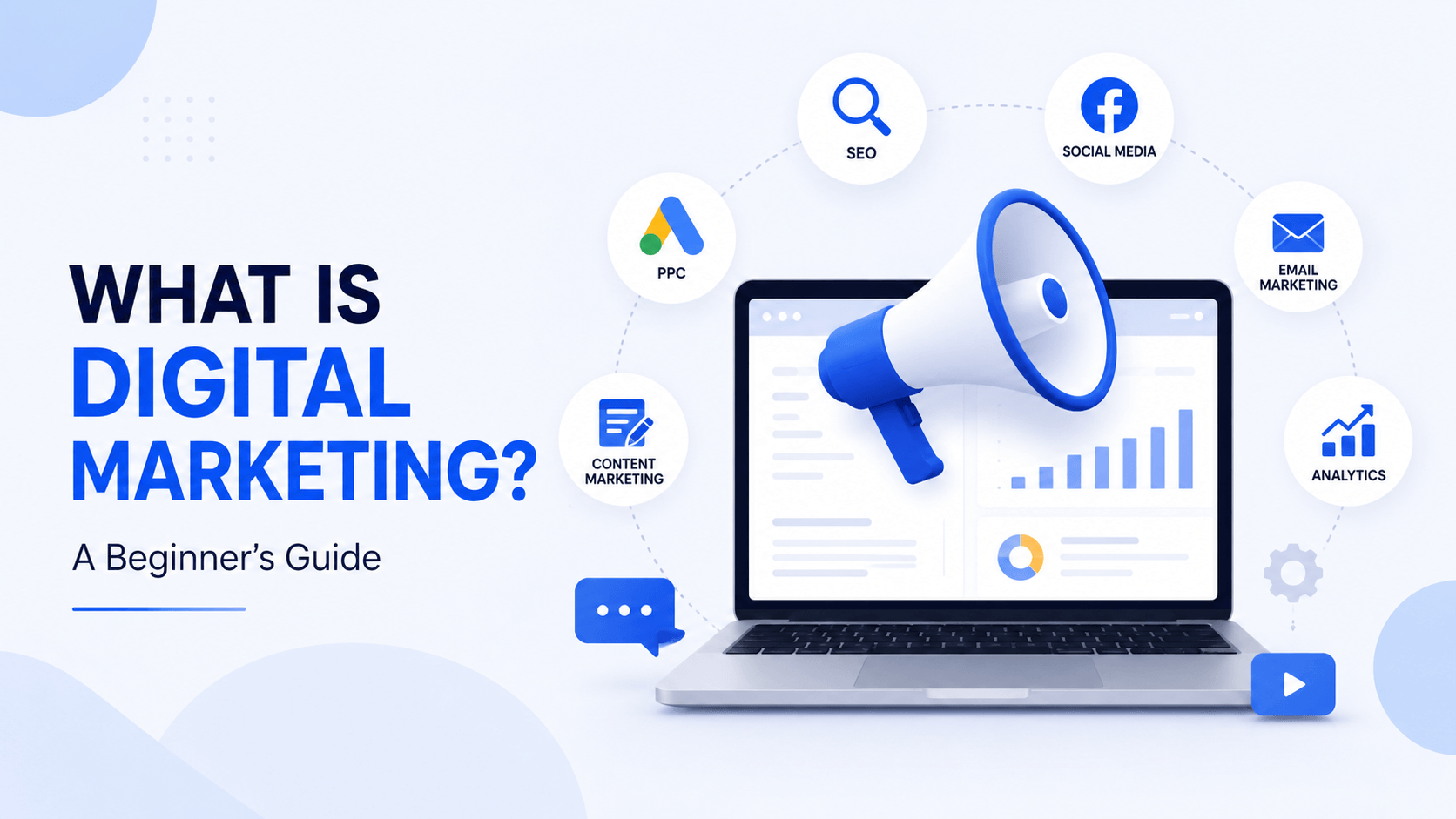

  • What Is Digital Marketing? Complete Beginner’s Guide

    What Is Digital Marketing? Complete Beginner’s Guide

    Today’s businesses are not only using traditional avenues like print and broadcast media to reach customers, but have moved to more cost-effective methods such as web sites, search engines, social media, email, and mobile apps to promote their products or services. This new way of doing things is called “digital marketing”.

    Whether you’re a student wanting to start your own business or a current business owner looking to promote your products online, the knowledge of digital marketing is necessary for success. In this guide, we will explain what digital marketing is, how it works, its forms and benefits. Why it has become one of the most sought after skill sets in the world today.

    What Is Digital Marketing?

    Digital Marketing refers to all forms of marketing using digital media, including search engine marketing and display advertising via computers, cell phones, and tablet devices.

    Unlike Traditional Marketing, businesses can target specific audiences through Digital Channels and track how well their campaigns perform by using real-time metrics; meaning they can adjust their strategy to improve results.

    In other words, anytime businesses are using the Internet or Digital Devices as a means of communicating with customers, they are conducting Digital Marketing activities.

    Example

    Imagine you own a bakery.

    Instead of only handing out flyers, you can:

    • Create a website showcasing your products
    • Share cake photos on Instagram
    • Rank on Google when people search “best bakery near me”
    • Send offers through email
    • Run Google or Facebook ads

    All of these are examples of digital marketing.

    Why Is Digital Marketing Important?

    The amount of time spent online is increasing as people continue to utilize the Internet daily. Companies with effective online presences can reach larger audiences, create better relationships with consumers, and ultimately sell more products or services.

    Some key reasons why digital marketing matters include:

    • Reach customers anywhere in the world
    • Target specific audiences based on interests and behavior
    • Measure campaign performance instantly
    • Generate leads and increase sales
    • Build long-term customer relationships
    • Compete effectively, even with a small marketing budget

    Types of Digital Marketing

    1. Search Engine Optimization (SEO)

    SEO is a process which helps webistes to rank higher in SERP such as google, bing etc.

    SEO includes:

    • Keyword research
    • On-page optimization
    • Off-Page optimization
    • Technical SEO
    • Link building
    • Local SEO

    Example:

    If someone searches “best digital marketing agency in Surat,” SEO helps your website appear in those search results.

    2. Content Marketing

    Instead of promoting their products directly to consumers, content marketing works by providing high-quality content to engage and inform consumers, helping them develop a trust in your brand before making a purchase.

    Popular content formats include:

    • Blog articles
    • Videos
    • Infographics
    • Podcasts
    • E-books
    • Case studies

    Creating quality content also provides support for your other marketing methods, such as SEO and social media marketing.

    3. Social Media Marketing (SMM)

    Businesses use platforms such as:

    • Facebook
    • Instagram
    • LinkedIn
    • X (Twitter)
    • Pinterest
    • YouTube

    to promote products, engage customers, and grow brand awareness.

    Benefits include:

    • Higher engagement
    • Better customer interaction
    • Increased website traffic
    • Stronger brand recognition

    4. Pay-Per-Click (PPC) Advertising

    With PPC, businesses are charged each time someone clicks on their ad.

    Popular PPC platforms include:

    • Google Ads
    • Facebook Ads
    • Instagram Ads
    • LinkedIn Ads
    • YouTube Ads

    PPC generates traffic quickly, making it a good choice for a product launch or an urgent marketing campaign.

    5. Email Marketing

    Email marketing involves sending personalized messages to subscribers.

    Businesses use email to:

    • Share newsletters
    • Promote discounts
    • Launch products
    • Nurture leads
    • Increase customer loyalty

    Email marketing continues to deliver one of the highest returns on investment when done effectively.

    6. Affiliate Marketing

    When someone makes a purchase from a business through an affiliate link, the affiliate who generated the sale receives a commission.

    7. Influencer Marketing

    Brands can also work with influencers to create a partnership that enables them to reach a larger audience and develop trust for their brand.

    Influencers promote products through:

    • Instagram posts
    • YouTube videos
    • Reels
    • Stories
    • Blogs

    This strategy helps brands reach highly engaged audiences.

    Concluison

    Digital marketing has greatly changed the way businesses communicate with consumers. Businesses, regardless of size, can benefit from powerful opportunities through improved visibility via SEO, engagement through social media, and increased sales via digital advertising.

    If you are a small-business owner looking to build your startup, you’re a medium-sized company looking to grow, or an employee wanting to advance your career, digital marketing can give you a competitive advantage in a digital world by having a properly planned and executed digital marketing strategy, keeping up with your efforts over time, and continually learning about digital marketing.

  • YouTube Se Kamai: Kis Desh Me YouTubers Sabse Zyada Kamate Hain? (Country-wise Breakdown)

    YouTube Se Kamai: Kis Desh Me YouTubers Sabse Zyada Kamate Hain? (Country-wise Breakdown)

    Kya aapne kabhi socha hai ki agar do alag-alag deshon ke YouTubers ke videos par barabar 1 Million (10 Lakh) Views aayein, toh kya dono ki kamai barabar hogi?

    Jawab hai: Bilkul nahi!

    YouTube par kamai sirf is baat par depend nahi karti ki aapke views kitne hain, balki is baat par depend karti hai ki aapke views kis country se aa rahe hain. YouTube ki language me ise RPM (Revenue Per Mille) aur CPM (Cost Per Mille) kaha jata hai, yaani har 1,000 views par milne wala paisa.

    Chaliye aaj ke is blog me poori duniya ka data asaan shabdon me samajhte hain.

    Yeh Khel Kaise Chalta Hai? (CPM vs RPM)

    • CPM (Cost Per Mille): Yeh woh paisa hai jo advertisers (brands) YouTube ko 1,000 ad impressions ke liye dete hain.
    • RPM (Revenue Per Mille): Yeh woh actual paisa hai jo YouTube apna 45% cut rakhne ke baad aapko (creator ko) deta hai.

    Jis country me logon ki purchasing power (khareedne ki shamta) zyada hoti hai, wahan ke brands ads par zyada kharch karte hain. Isiliye wahan ka RPM aasman chhota hai.

    Country-wise YouTube Earnings (Per 1,000 Views / RPM)

    Duniya ke alag-alag deshon ko unke ad rates ke hisab se 3 major categories (Tiers) me baanta gaya hai:

    1. High Paying Countries (Tier 1)

    Yahan ke viewers agar aapka video dekhte hain, toh aapki kamai sabse zyada hoti hai kyunki yahan ke brands ads ke liye mota paisa dete hain.

    CountryAverage RPM (Per 1,000 Views)1 Million Views Par Kamai (Est.)
    Australia$7 – $15$7,000 – $15,000
    USA (United States)$6 – $12$6,000 – $12,000
    United Kingdom (UK)$5 – $10$5,000 – $10,000
    Canada$5 – $9$5,000 – $9,000

    2. Moderate Paying Countries (Tier 2)

    Yahan ad rates medium hote hain. Europe ke maximum deshon me isi range me kamai hoti hai.

    CountryAverage RPM (Per 1,000 Views)1 Million Views Par Kamai (Est.)
    Germany$4 – $7$4,000 – $7,000
    United Arab Emirates (UAE)$3 – $6$3,000 – $6,000
    Saudi Arabia$2 – $5$2,000 – $5,000

    3. Lower RPM Countries (Tier 3)

    Yahan population aur views bohot zyada hain, lekin ad rates (CPM/RPM) baaki deshon ke muqable kam hote hain.

    CountryAverage RPM (Per 1,000 Views)1 Million Views Par Kamai (Est.)
    India$0.50 – $3.00 (₹40 – ₹250)₹50,000 – ₹2,500,000
    Pakistan / Bangladesh$0.20 – $1.50$200 – $1,500
    Indonesia$0.30 – $2.00$300 – $2,000

    Kamai Par Asar Daalne Waale 3 Bade Factors

    Sirf country hi nahi, aapke niche aur format ka bhi bada hath hota hai:

    1. Your Content Niche: Agar aap Finance, Tech, ya Business par videos banate hain, toh aapka RPM bohot high hoga. Wahi agar aap Gaming ya Entertainment (Pranks/Vlogs) banate hain, toh RPM thoda kam hota hai.
    2. Video Length (Long-form vs Shorts): Long-form videos par ads zyada aate hain aur unka revenue split 55% creator ko milta hai. Jabki YouTube Shorts ka RPM bohot hi kam hota hai (Shorts me revenue ka sirf 45% milta hai).
    3. Audience Demographics: Agar aap India me baith kar English me content banate hain aur aapki major audience USA ya UK se hai, toh aapko USA ke rates ke mutabik hi paisa milega!

    💡 Pro Tip gia Creators: Agar aap apni YouTube earning badhana chahte hain, toh aisa content plan karein jo global audience (jaise US, UK, Canada) ko attract kare, ya fir Finance aur Tech jaise high-paying niches par focus karein.

    Aapko yeh breakdown kaisa laga? Kya aap bhi ek global channel shuru karne ki soch rahe hain? Mujhe niche comment section me zaroor batayein!

  • How to Grow a YouTube Channel Faster in 2026: 10 Proven Strategies

    How to Grow a YouTube Channel Faster in 2026: 10 Proven Strategies

    Introduction

    Starting a YouTube channel is easier than ever, but growing one has become increasingly competitive. Millions of videos are uploaded every day, making it difficult for creators to stand out. However, channels that follow the right strategies can still achieve significant growth.

    In this guide, we’ll explore 10 proven methods that successful creators use to grow their YouTube channels faster in 2026.


    1. Focus on One Niche

    Many creators fail because they upload random content.

    Choose one niche such as:

    • Technology
    • Business
    • Travel
    • Finance
    • Education
    • Motivation

    A focused channel helps YouTube understand your audience.


    2. Create Better Titles

    Your title is often the first thing viewers notice.

    Good titles:

    • Create curiosity
    • Promise value
    • Solve a problem

    Example:

    ❌ Video Editing Tips

    ✅ 10 Video Editing Tricks That Instantly Improve Watch Time


    3. Design Click-Worthy Thumbnails

    A great thumbnail can dramatically increase CTR (Click Through Rate).

    Best practices:

    • Large readable text
    • Clear subject
    • Strong contrast
    • Emotional expressions

    Remember: viewers see the thumbnail before the video.


    4. Improve Audience Retention

    YouTube rewards videos that keep viewers watching longer.

    Improve retention by:

    • Starting with a strong hook
    • Removing boring sections
    • Using pattern interrupts
    • Adding visuals and motion graphics

    Retention is often more important than views.


    5. Upload Consistently

    Consistency builds trust with both viewers and YouTube.

    Suggested schedule:

    • 2–3 long videos weekly
    • Daily Shorts if possible

    Consistency helps the algorithm understand your publishing pattern.


    6. Use YouTube Shorts

    Shorts are one of the fastest ways to gain exposure.

    Benefits:

    • Massive reach
    • Faster subscriber growth
    • More impressions

    Many creators use Shorts to bring viewers into their long-form content.


    7. Optimize Video SEO

    YouTube is the second-largest search engine in the world.

    Optimize:

    • Titles
    • Descriptions
    • Tags
    • Keywords
    • Chapters

    Good SEO helps videos rank in search results.


    8. Study Analytics

    Successful creators constantly review their analytics.

    Key metrics:

    • CTR
    • Average View Duration
    • Audience Retention
    • Returning Viewers
    • Watch Time

    Analytics reveal what your audience actually enjoys.


    9. Create Better Hooks

    The first 15 seconds determine whether viewers stay or leave.

    Strong hooks:

    • Ask a question
    • Share a surprising fact
    • Present a problem
    • Promise a result

    Never waste the beginning of a video.


    10. Build a Content System

    Successful channels treat YouTube like a business.

    Create systems for:

    • Research
    • Scripting
    • Recording
    • Editing
    • Publishing

    Systems allow you to scale consistently.


    Conclusion

    Growing a YouTube channel in 2026 requires more than simply uploading videos. Creators who focus on audience retention, strong thumbnails, SEO, consistency, and quality content will continue to outperform competitors.

    The key is to stay patient, learn from analytics, and continually improve with every upload.

  • Local SEO for Small Businesses: A Complete Guide to Getting More Customers

    Local SEO for Small Businesses: A Complete Guide to Getting More Customers

    Introduction

    If your business serves customers in a specific city, town, or region, Local SEO can be one of the most powerful marketing strategies available. Whether you run a restaurant, salon, clinic, agency, retail store, or service-based business, appearing in local search results can help you attract more customers without spending heavily on advertising.

    When people search for services near them, Google prioritizes businesses that are relevant, trustworthy, and optimized for local searches. In this guide, we’ll explain how Local SEO works and how small businesses can use it to generate more leads and sales.


    What is Local SEO?

    Local SEO (Search Engine Optimization) is the process of improving your online presence so your business appears in local search results.

    Examples include:

    • Best digital marketing agency near me
    • Video editor in Surat
    • SEO company in Ahmedabad
    • Coffee shop near me
    • Dentist in Mumbai

    These searches have strong buying intent because users are actively looking for nearby solutions.


    Why Local SEO Matters

    Local SEO helps businesses:

    • Increase website traffic
    • Generate more phone calls
    • Get more store visits
    • Improve Google Maps visibility
    • Build trust with local customers

    Studies show that a large percentage of local searches result in a customer visiting or contacting a business within 24 hours.


    Optimize Your Google Business Profile

    Your Google Business Profile is one of the most important factors in Local SEO.

    Make sure your profile includes:

    • Business name
    • Address
    • Phone number
    • Website URL
    • Business hours
    • High-quality photos
    • Accurate business category

    Regularly updating your profile signals activity and improves visibility.


    Keep NAP Information Consistent

    NAP stands for:

    Name

    Address

    Phone Number

    Your NAP information should be identical across:

    • Website
    • Google Business Profile
    • Facebook Page
    • Local directories
    • Business listings

    Inconsistent information can confuse search engines and reduce rankings.


    Create Location-Specific Pages

    If your business serves multiple locations, create dedicated pages for each city.

    Examples:

    • SEO Services in Surat
    • Video Editing Services in Ahmedabad
    • Digital Marketing Agency in Vadodara

    Each page should contain unique content focused on that location.


    Collect Customer Reviews

    Reviews play a major role in local rankings.

    Encourage satisfied customers to leave reviews on Google.

    Best practices:

    • Ask after successful projects
    • Respond to every review
    • Thank customers publicly
    • Address concerns professionally

    Businesses with more positive reviews often rank higher in local results.


    Use Local Keywords

    Target keywords that include your city or service area.

    Examples:

    • SEO Agency Surat
    • Video Editing Services Gujarat
    • Digital Marketing Company Ahmedabad

    Include these naturally in:

    • Page titles
    • Meta descriptions
    • Headings
    • Website content

    Avoid keyword stuffing.


    Build Local Citations

    A citation is any mention of your business online.

    Popular sources include:

    • Google Business Profile
    • Justdial
    • IndiaMART
    • Yelp
    • Facebook
    • Local business directories

    More quality citations improve credibility and local relevance.


    Create Helpful Local Content

    Publishing useful local content can significantly improve rankings.

    Examples:

    • Best Marketing Strategies for Surat Businesses
    • How Small Businesses Can Grow Online in Gujarat
    • SEO Tips for Local Retail Stores

    Content helps establish authority and attract organic traffic.


    Make Your Website Mobile Friendly

    Most local searches happen on mobile devices.

    Your website should:

    • Load quickly
    • Be easy to navigate
    • Display correctly on phones
    • Have clickable phone numbers
    • Include clear contact information

    Google prioritizes mobile-friendly websites in search results.


    Track Performance

    Monitor your Local SEO efforts using:

    • Google Search Console
    • Google Analytics
    • Google Business Profile Insights

    Track:

    • Website traffic
    • Phone calls
    • Direction requests
    • Keyword rankings
    • Lead generation

    Data helps identify what’s working and what needs improvement.


    Common Local SEO Mistakes

    Avoid these mistakes:

    • Inconsistent business information
    • Duplicate listings
    • Poor-quality backlinks
    • Ignoring reviews
    • Keyword stuffing
    • Slow website speed
    • Missing contact information

    Fixing these issues can improve rankings significantly.


    Conclusion

    Local SEO is one of the most effective ways for small businesses to attract nearby customers and grow sustainably. By optimizing your Google Business Profile, collecting reviews, creating location-specific content, and maintaining consistent business information, you can improve visibility and generate more leads without relying entirely on paid advertising.

    Businesses that invest in Local SEO today will have a strong competitive advantage in their local market for years to come.

  • Top 10 Ways to Earn Money as a Video Editor in 2026

    Top 10 Ways to Earn Money as a Video Editor in 2026

    Introduction

    Video editing is no longer just a creative skill—it has become one of the most profitable digital careers in the world. With the rise of YouTube, Instagram Reels, podcasts, online courses, and digital marketing, businesses and creators constantly need skilled editors. Whether you are a beginner or an experienced editor, there are many ways to turn your editing skills into a reliable income source.

    In this guide, we’ll explore the top 10 ways to earn money as a video editor in 2026.


    1. Offer Freelance Video Editing Services

    Freelancing remains one of the easiest ways to start earning money as a video editor.

    Businesses, influencers, YouTubers, and agencies frequently hire freelance editors for short-term and long-term projects. You can charge per project, per video, or on a monthly retainer basis.

    Benefits

    • Flexible working hours
    • Work with global clients
    • Unlimited earning potential

    2. Edit Videos for YouTube Creators

    Thousands of YouTube creators upload content daily but don’t have time to edit videos themselves.

    Creators need editors for:

    • Talking-head videos
    • Podcasts
    • Vlogs
    • Shorts
    • Documentary content

    Building relationships with creators can provide stable monthly income.


    3. Become a Reels and Shorts Specialist

    Short-form content is dominating social media.

    Platforms like:

    • Instagram Reels
    • YouTube Shorts
    • TikTok
    • Facebook Reels

    need fast-paced, engaging edits.

    Many creators pay premium rates for editors who understand retention-focused editing.


    4. Work with Digital Marketing Agencies

    Marketing agencies handle multiple clients and often outsource editing work.

    Services include:

    • Ad creatives
    • Product videos
    • Brand storytelling
    • Social media campaigns

    Agency clients can provide consistent work throughout the year.


    5. Start a Video Editing Agency

    Instead of editing every project yourself, you can build a team and manage client relationships.

    As an agency owner, you earn by:

    • Acquiring clients
    • Managing projects
    • Delegating editing work

    This allows you to scale beyond trading time for money.


    6. Edit Podcasts for Creators and Brands

    Podcasting continues to grow rapidly.

    Podcast editors are needed for:

    • Audio cleanup
    • Multi-camera editing
    • Social media clips
    • Highlight reels

    Many podcasters require weekly editing support, creating recurring income opportunities.


    7. Sell Video Editing Templates

    Create and sell:

    • Premiere Pro templates
    • After Effects templates
    • Motion graphics packs
    • Transitions
    • LUTs

    Once created, these digital products can generate passive income for years.


    8. Create and Sell Online Courses

    If you have strong editing skills, you can teach others.

    Course topics may include:

    • Premiere Pro basics
    • After Effects animation
    • YouTube editing
    • Reels editing
    • Freelancing strategies

    Online courses can become a significant long-term revenue source.


    9. Offer Corporate Video Editing

    Companies require professional videos for:

    • Internal training
    • Product launches
    • Company presentations
    • Recruitment campaigns

    Corporate clients typically have larger budgets and long-term requirements.


    10. Build Your Personal Brand

    Many successful editors earn money through their personal brand.

    You can share:

    • Editing tips
    • Behind-the-scenes content
    • Tutorials
    • Client case studies

    A strong personal brand helps attract higher-paying clients without relying on freelance marketplaces.


    Conclusion

    Video editing offers more opportunities than ever before. From freelancing and agency work to digital products and online courses, skilled editors can build multiple income streams and create a profitable career.

    The key is to specialize, build a strong portfolio, and continuously improve your storytelling and editing skills. Those who adapt to changing content trends will have the greatest earning potential in 2026 and beyond.